

Home / Substance Use Disorder / Ritalin Addiction Treatment in Colorado Springs, CO
Ritalin Addiction Treatment in Colorado Springs, CO
Most people don’t notice the shift until they’re already in it. Somewhere along the way, Ritalin stops being something that helps and starts being something you rely on just to get through the day. Trying to cut back usually confirms what you already suspected. At Drift Behavioral Health, Ritalin addiction treatment in Colorado Springs is for people who are ready for a real plan.

Why Ritalin Dependence Develops
Your brain adjusts when you take Ritalin regularly. Dopamine production shifts, and over time, the focus and drive that once came naturally start depending on the medication. Most people figure this out the hard way, when a missed dose turns an ordinary Tuesday into something they cannot push through. The Drug Enforcement Administration classifies Ritalin as a Schedule II controlled substance, which reflects how well-documented the dependency risk actually is. Dependency here is not a character flaw. It reflects how the medication works on the brain.
Dependency is hard to catch early, partly because the medication feels genuinely good at first. You focus more clearly, and output improves. The low-grade exhaustion you have been carrying around finally backs off. Running out three days before your next refill does not seem like a big deal the first time it happens. By the second or third time, you already know something has shifted. Getting back takes more than deciding to stop, and most people do a lot better with real support.

Who Is at Risk for Ritalin Misuse
Ritalin misuse does not follow a single profile. There is no single way to end up here. Maybe you started with a prescription that made a real difference and gradually needed more to get the same effect. Some people borrowed it from a friend during a rough stretch and never quite stopped. Others suspect undiagnosed ADHD and found Ritalin long before they ever found a doctor. However you got here, right now is what we are focused on. For a lot of people, Ritalin has quietly become the thing the whole day depends on.
According to SAMHSA, prescription stimulant misuse is most prevalent among adults between 18 and 25, though it shows up consistently across older age groups as well. If you are high-functioning, you may be the last person in your life to recognize that something has changed, partly because the medication keeps you productive enough that the consequences stay just out of sight. You can be dependent on Ritalin and still hit deadlines, show up to meetings, and appear completely fine to everyone around you. At some point, the gap between how things look and how things actually feel becomes too wide to keep ignoring, and that is usually when the conversation about Ritalin addiction treatment in Colorado Springs becomes one worth having.
Physical and Psychological Effects of Ritalin Misuse
Sleep is usually the first thing that goes. You put in the hours but wake up feeling like you never actually rested. Appetite follows, and food just stops registering the way it used to until hunger gets hard to push past. The heart stuff tends to catch people off guard, too. Mid-conversation, your heart might start racing for no clear reason. Chest tightness that comes and goes before it seems worth a doctor’s visit is common, as well.
The psychological piece is slower to show up and easier to explain away. Things you used to enjoy start feeling flat or just neutral. You are getting through your days, but somewhere along the way the spark went out of most of them. It is like the volume on everything has been turned down slightly. You might only notice in comparison, when a stretch without Ritalin shows you how checked out you had actually become. Most people attribute it to stress or burnout long before the medication crosses their mind.
Mood tends to be the next thing to shift, and it usually affects relationships before the person notices the pattern. Anxiety stops feeling tied to specific situations. It just runs in the background, without a clear cause. Clinicians have documented paranoia and stimulant-induced psychosis at higher doses, though most people are not anywhere near that point. What shows up much sooner is a gradual wearing down of emotional steadiness. Most people chalk it up to stress or getting older, before the medication ever comes to mind.
What to Expect During Ritalin Withdrawal
You might expect the physical part to be the hardest. What actually catches most people off guard is waking up on day three with no particular reason to get out of bed, not because anything is wrong exactly, but because nothing feels pressing enough to move toward. The drive that Ritalin supplied every morning is simply absent, and the brain has no immediate replacement for it. Food comes back with a vengeance around this time, which surprises those who spent months barely thinking about eating.
Withdrawal from Ritalin is not as dangerous as other substances, but it is nothing either. Sleep gets disrupted before it stabilizes. Some people crash hard while others lie awake for nights. The mood piece tends to linger longest. A lot of people describe a low, flat feeling, like a grey filter over everything, that can stretch on for a few weeks. For some people, it gets close enough to depression to be worth professional monitoring. Our team stays close during withdrawal, so you have someone in your corner when the harder moments come.
How Ritalin Addiction Is Treated at Drift Behavioral Health
When you call Drift, you are not handed a form. You talk to a real person. The conversation is about what has actually been going on and how long it has been building. A lot of the time, there is something underneath the Ritalin use that nobody has looked at directly. Starting with the full picture is how Ritalin addiction treatment in Colorado Springs actually gets somewhere.
CBT is the backbone of stimulant-focused work here, and the NIMH backs it as an evidence-supported approach for stimulant-related concerns. In practice, it helps you name the situations and habits that kept Ritalin use going, then figure out better ways to handle them. If you have been leaning on Ritalin to manage anxiety or emotional pressure, DBT addresses that directly. Most people using Ritalin for those reasons had no idea until someone pointed it out. Motivational interviewing keeps the work pointed toward what you actually want, which tends to make it feel worth doing.
Group sessions offer something individual therapy cannot. When someone else puts into words an experience you have kept to yourself, it changes how alone the whole thing has felt. Family therapy is part of the process, too. The people closest to you have usually been affected too, and bringing them into the process helps. Art therapy, music therapy, and mindfulness are also available for the parts of recovery that words do not always reach. Some of the shifts in recovery do not come through conversation, and holistic work addresses them in ways clinical sessions cannot.
Ritalin Addiction Treatment Programs in Colorado Springs
The right level of care depends on where you are when you reach out, and at Drift, there are multiple options, so the fit reflects what you genuinely need. Our Ritalin rehab is not a fixed path applied the same way to every person regardless of history, circumstances, or what else is going on in your life. Those who need intensive daily contact to stabilize have a place here, and so do those who are ready for something that works around existing responsibilities from the start.
A partial hospitalization program (PHP) runs five days a week. It is a good fit for people who need a high level of daily support but want to sleep at home. Our intensive outpatient program (IOP) runs in morning and evening formats, so work and family responsibilities do not have to stop. Both levels address co-occurring conditions like anxiety, depression, and ADHD. Those rarely exist on their own when stimulant dependency is in the picture. Aftercare planning starts on day one, so when sessions wrap up, you are not left figuring out what comes next.
Begin Ritalin Addiction Treatment in Colorado Springs
At Drift Behavioral Health, we know that picking up the phone takes something out of you, and we do not take that lightly. Ritalin addiction treatment in Colorado Springs begins with a real conversation with someone who is genuinely paying attention to what you share, not moving you through a checklist or rushing you toward a decision. We are here to help you find your footing and move forward at a steady pace. Reach out to our team today and take that first step with us.
FAQs About Our Ritalin Rehab in Colorado Springs
Is Ritalin Addiction Taken as Seriously as Other Substance Dependencies?
It should be, and at Drift it is. Stimulant dependency disrupts the brain’s reward system in real, documented ways. The withdrawal and recovery process deserves the same level of attention as any other substance dependency.
What If I Have Tried to Stop Before and It Did Not Work?
Most people who come to us have already tried on their own at least once. Having a structured plan and real support changes the outcome. Previous attempts do not disqualify you from treatment for Ritalin addiction.
How Long Does Ritalin Addiction Treatment Typically Take?
Honestly, there is no fixed timeline. It depends on how long the dependency has been building and what else is going on alongside it. Our team reassesses regularly and adjusts the plan as things progress.
Can I Keep Working While in Treatment?
Our IOP runs in both morning and evening formats specifically for that reason. A lot of people in treatment for Ritalin addiction maintain work and family responsibilities throughout the process. We help you find the format that fits your schedule from the start.
Does Insurance Cover Ritalin Rehab?
Many insurance plans cover substance use disorder treatment, including stimulant dependency. Our admissions team can verify your benefits before you commit to anything.
Latest Resources

Recognizing how to tell if someone is using heroin is not always straightforward, especially in the early stages. Signs often begin in small, easy-to-dismiss ways, such as changes in sleep,
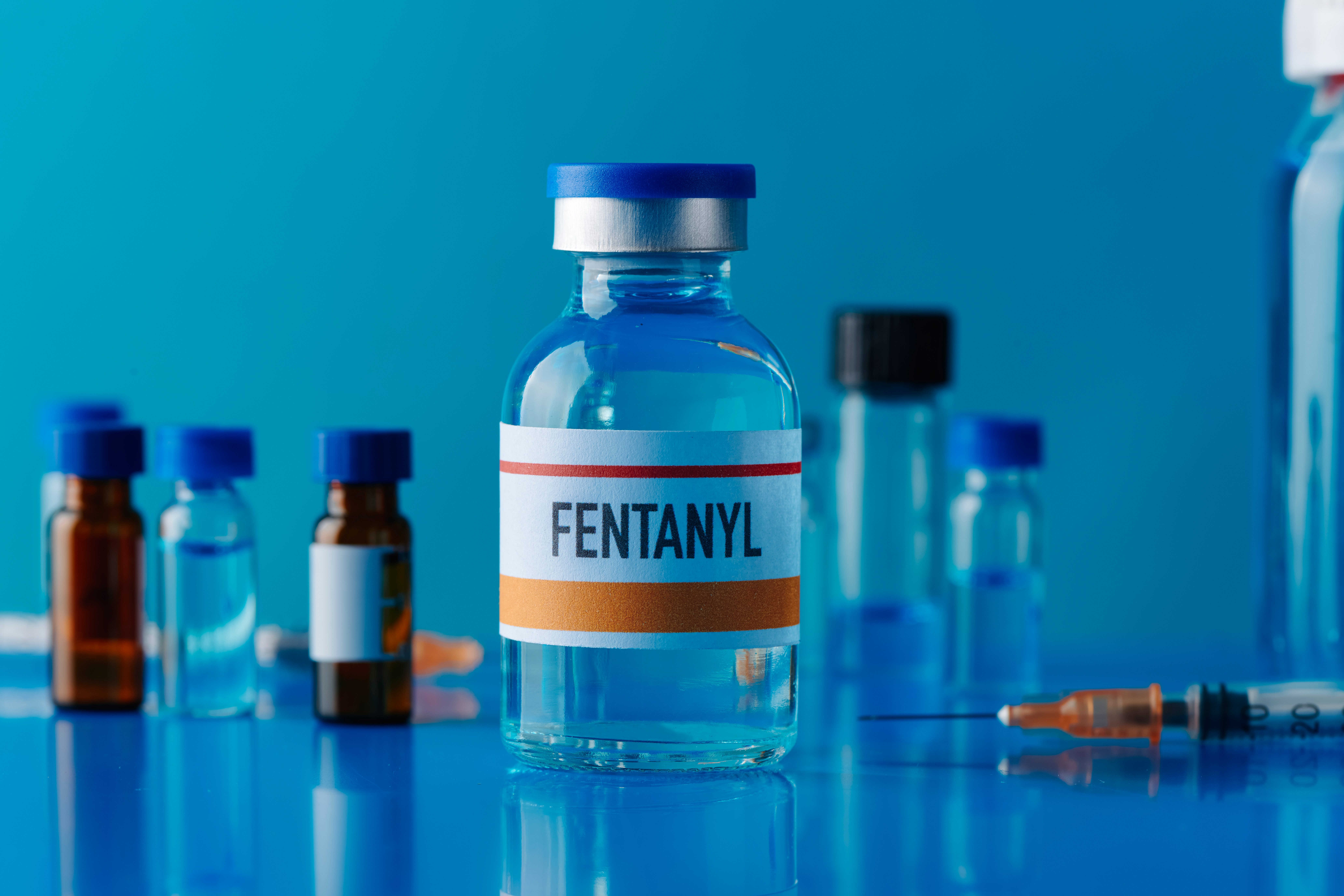
Fentanyl is a synthetic opioid commonly prescribed for severe pain after surgery or during advanced cancer care. The medication works quickly and provides powerful pain relief when other medications are

Tramadol is often prescribed for pain, but the way it works is more complicated than most people expect. Research shows the benefits are modest, while the risks of side effects
Verify Your Insurance
Drift Website - Form - Verify Insurance
"*" indicates required fields