

Home / Addiction Treatment in Colorado Springs / Intensive Outpatient Program in Colorado Springs
Intensive Outpatient Program in Colorado Springs
At Drift Behavioral Health, healing doesn’t mean putting life on hold. Our intensive outpatient program in Colorado Springs offers a flexible, evidence-based path forward for individuals navigating substance use and co-occurring mental health conditions. Whether you’re stepping down from residential care or seeking a structured program that works alongside your everyday responsibilities, our IOP provides the clinical support you need, with the adaptability your life demands.
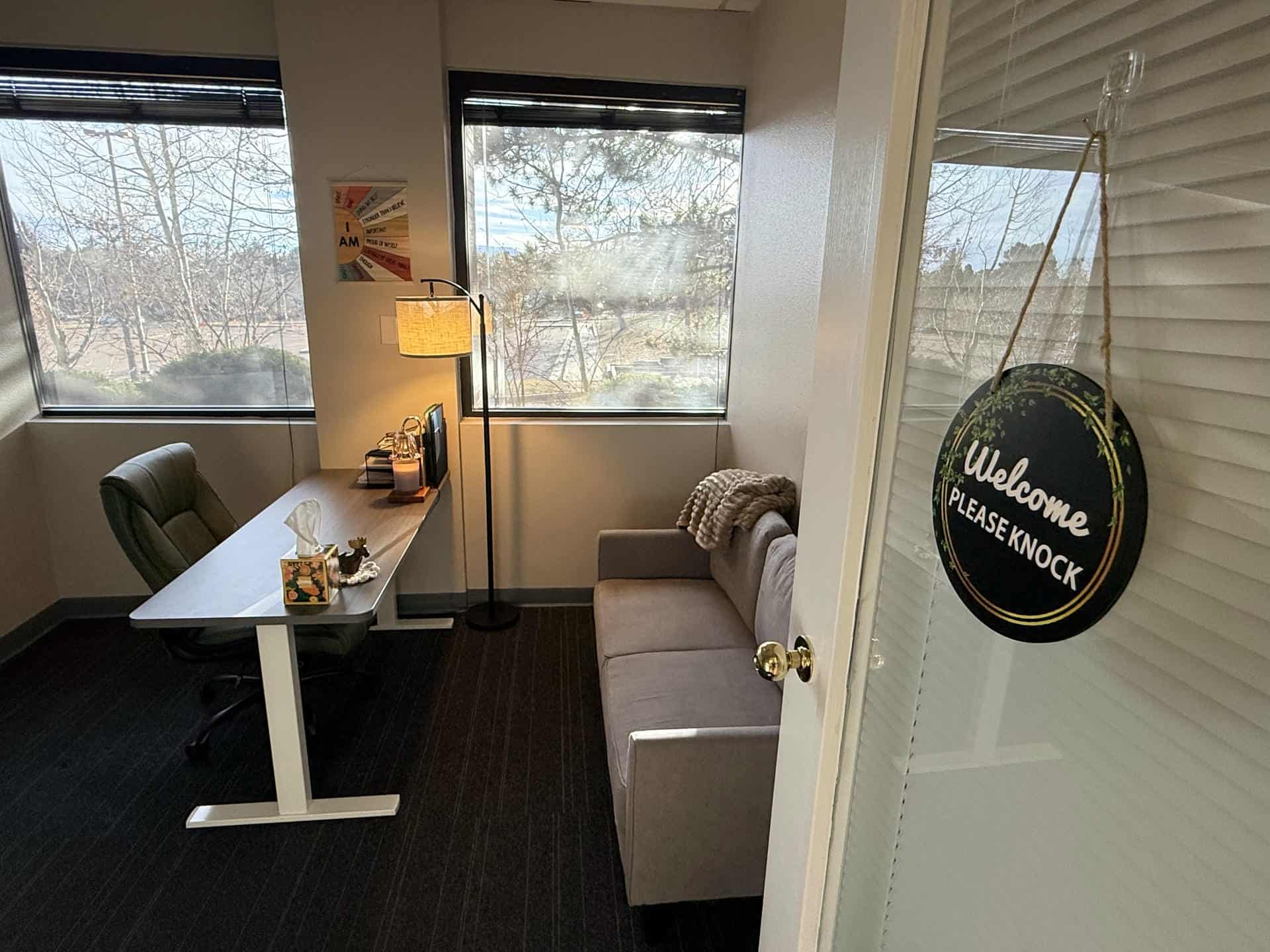
Our IOP team includes licensed clinicians and medical staff who manage medication alongside your therapy sessions. You’ll find a space that’s steady, responsive, and based in both compassion and proven care. With daytime, evening, and virtual options available across Colorado, our IOP is designed to help you keep up with work, school, and family.

What Is an Intensive Outpatient Program (IOP)?
An Intensive Outpatient Program (IOP) offers a structured form of addiction treatment that allows you to maintain your daily responsibilities while receiving consistent clinical support. It’s especially helpful for those transitioning from a higher level of care, like inpatient treatment, or those in the early stages of substance use concerns who require more than occasional therapy.
At Drift, our IOP in Colorado Springs includes 3–5 treatment days per week, with sessions lasting about 3–4 hours each day. You can attend during the day, in the evening, or virtually, whatever matches your schedule best. Every format keeps care accessible without sacrificing quality or depth.
Research supports IOP as an effective level of care for many people. A 2014 review published in Psychiatric Services found that IOPs offer outcomes comparable to inpatient care, significantly reducing substance use and enhancing long-term recovery outcomes across diverse settings.
IOP Schedule: Day and Evening Options
At Drift, you’ll attend 3–5 days a week for about 3–4 hours each day, including individual and group work. Day sessions run Monday through Saturday, while evening groups happen Monday through Thursday. The schedule works well for people juggling treatment with jobs, classes, or family needs.
Evening IOP gives working adults consistent clinical care without asking for time off. Groups meet on weeknight evenings, so your weekends stay open for family and rest. Parents with daytime childcare needs and college students with daytime classes choose the evening track for the same reason. Your clinician recommends how many days you attend based on your intake assessment.
Virtual IOP follows the same day and evening schedule online for adults 18 and older across Colorado. Our clinical team confirms at intake whether virtual care is a safe fit for you. If you live outside Colorado Springs or can’t count on transportation, our virtual addiction treatment program lets you attend from home.
Addiction Treatment Approach
At Drift, we understand that addiction commonly begins as a way to manage emotional pain, stress, or trauma; it’s not a personal failing. Our intensive outpatient program in Colorado Springs is rooted in harm reduction, whole-person care, and deep respect for your goals. We create a safe and affirming space to process substance use along with the mental and emotional challenges that often accompany it.
Each care plan is adapted to your specific needs, preferences, and life context. Our goal is lasting recovery and growth. Through expert clinical care, compassion, and patience, our clinicians adjust your plan as your needs change.
What a Week in Our IOP Looks Like
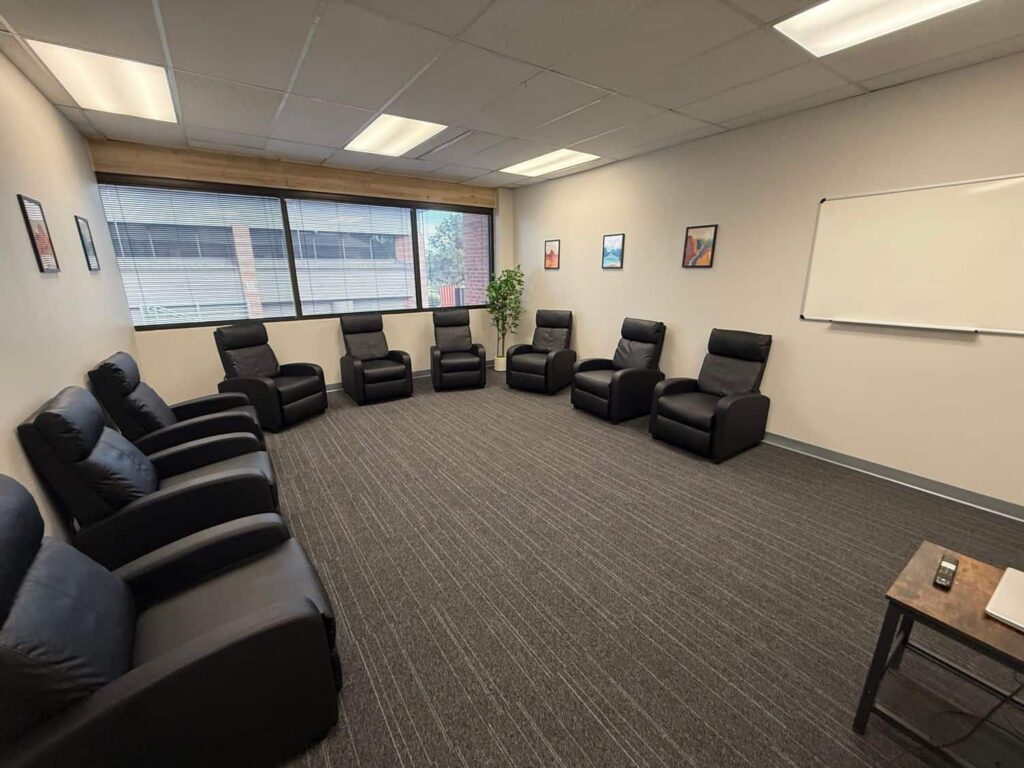
In our IOP addiction treatment, you’ll be supported while continuing to live at home and engage in daily life. Our program blends individual therapy, group work, and whole-person wellness practices, all grounded in proven clinical methods and guided by licensed professionals.
Individualized Therapy and Clinical Support
You’ll meet with your therapist, who gets to know your challenges and goals. Group sessions include relapse prevention, building coping skills, and managing emotions in a healthy way. When needed, our medical staff can help with medication management.
Types of Substances We Treat in IOP
Our IOP treats alcohol use disorder along with drug use involving opioids, stimulants, sedatives, marijuana, hallucinogens, and nicotine. Each substance carries its own withdrawal risks, craving patterns, and relapse triggers. Your care plan reflects what you’ve been using, how much, and for how long. Many clients use more than one substance, and we plan for that from the first assessment.
Opioid use, including fentanyl and prescription painkillers, frequently calls for medication alongside therapy. Stopping stimulants such as meth or cocaine can bring intense cravings, disrupted sleep, and low mood, and your therapist helps you plan for each of those. Stopping alcohol or benzodiazepines may require medical monitoring first. At Drift, our team arranges detox placement when you need it.
Clinical Therapies and Holistic Options
Healing is most powerful when it honors the whole person. Our IOP integrates evidence-based clinical therapies with holistic and experiential practices.
Evidence-Based Core Therapies
Our licensed clinicians use therapies such as Cognitive Behavioral Therapy (CBT), Dialectical Behavior Therapy (DBT), and Motivational Interviewing to help you build resilience, challenge harmful thought patterns, and create healthier coping strategies. Each session is personalized, giving you the tools to not only stay sober but also understand and shift the underlying emotional landscape that drives substance use.
Relapse prevention strategies are woven throughout the program, delivering practical tools to identify triggers, manage urges, and build a sustainable recovery plan. These therapies are rooted in research and tailored to your specific triggers, ensuring your progress is grounded and forward-moving.
Experiential Treatments
We offer creative and sensory-based therapies to help you process emotions that don’t always have words. These include mindfulness practices, art therapy, music therapy, and body-based work like yoga.
Art and music give you a way to work through feelings that are hard to name in group, and yoga and mindfulness give you a physical way to calm your body when stress or cravings rise.
Optional 12-Step Integration
For those who find value in peer-supported recovery communities, we offer the option to participate in 12-step programs like Alcoholics Anonymous (AA) or Narcotics Anonymous (NA). We can help you connect with local or online meetings, mentors, or sponsors that align with your personal recovery philosophy.
Medication-Assisted Treatment (MAT) in IOP
For many people, medication provides a steadier foundation during recovery, helping quiet cravings, ease withdrawal symptoms, and create the stability needed to engage in therapy fully. Within our IOP, medication‑assisted treatment (MAT) is thoughtfully integrated with counseling and group support, never offered in isolation. When appropriate, we offer buprenorphine (including Suboxone and Sublocade) and naltrexone (including Vivitrol). We don’t dispense methadone on-site, but we coordinate with certified opioid treatment programs when it’s the best option.
Research strongly supports this combined approach. A peer‑reviewed study published in the Journal of Substance Abuse Treatment found that MAT, when paired with counseling, is significantly more effective at retaining individuals in treatment and reducing heroin and prescription opioid use than detox‑only, time‑limited medication, or abstinence‑based interventions alone.
At Drift, our licensed medical professionals closely monitor your progress, adjusting medications as needed while working with your clinical team.

Family Support and Involvement
Addiction doesn’t happen in isolation, and neither does healing. Our IOP includes family therapy designed to rebuild trust, encourage understanding, and strengthen communication. We offer education for loved ones to understand the nature of substance use better, while guiding families toward healthier boundaries and more supportive relationships.
You decide which family members take part, and your therapist helps you plan what to share. Sessions give parents, partners, and adult children a place to ask the questions they haven’t been able to ask at home, like how to talk about a slip or how to help without enabling. Because your family sees your routines every day, they can help you follow through on the relapse prevention plan you build in group. Loved ones who want support of their own can also ask our team about local family groups such as Al‑Anon or Nar‑Anon.
Step-Down Care and Aftercare Planning
At Drift Behavioral Health, we know sustainable recovery depends on strong transitions. As you move beyond the structure of our intensive outpatient program in Colorado Springs, we stay connected and help you navigate the shift, planning your next phase together before your last group.
Individualized Discharge Plans
We work directly with you to develop a thoughtful discharge plan that suits your progress, goals, and lifestyle. Whether that means transitioning to outpatient therapy, joining a sober living community, or connecting with specialized providers, we help lay the path forward with care and intention.
Long-Term Support After IOP
After your IOP ends, you stay connected to our team. Through alumni gatherings, therapy referrals, and consistent check-ins, we help you stay grounded in recovery. You’ll also leave with practical skills to handle triggers, cultivate healthy habits, and stay connected to your community of care.
IOP vs. PHP
Our partial hospitalization program (PHP) is the more intensive option, with programming 5 days a week for about 5 hours a day. PHP fits when you need daily clinical contact, you’re newly out of detox or residential care, or weekly outpatient therapy hasn’t given you enough support. IOP meets 3 to 5 days a week for 3 to 4 hours a day, which leaves room for your everyday commitments. Many clients start in PHP and step down to IOP as symptoms settle. Our team helps you move between levels if your needs change.
Is Our IOP the Right Fit for You?
If you’re looking for addiction treatment that supports both your healing and your day-to-day life, our IOP may be the right fit. Our IOP is designed for individuals who need flexible, structured care.
Who We Serve
Our IOP in Colorado Springs supports a wide range of people navigating recovery. Many clients come to us after completing detox or inpatient care, seeking a step-down program that still provides structure but allows for greater independence. Others are students, professionals, young adults, or parents looking for a treatment plan that works around their real-life schedules. We also welcome those who are just beginning treatment, or who have experienced relapse and are ready to re-engage in healing. Wherever you are, we’ll meet you there, with steady guidance and a personalized plan.
Admission Process
Starting care with us is designed to be easy and supportive. We offer same-day or next-day intake assessments so you can begin treatment with no unnecessary delays. During your intake, our clinical team performs a detailed screening to understand what substances are in your system and how to customize your care plan. If you’re currently on medication, we’ll help manage and integrate it into your treatment.
Insurance and Cost of IOP
Intensive outpatient addiction treatment may be covered by your commercial insurance plan. We work with PPO, POS, EPO, and HMO plans, and we also accept private pay. We don’t accept Medicaid or Medicare. Your out-of-pocket cost depends on your plan’s deductible, copay or coinsurance, and whether IOP requires prior authorization.
Our admissions team can verify your insurance before your first session and walk you through what your plan may cover. If you plan to pay privately, ask about self-pay rates on the same call. Knowing your cost up front gives you one less thing to sort out on your own.
Take the Next Step with an Intensive Outpatient Program in Colorado Springs
Healing doesn’t have to wait, and it doesn’t have to mean pressing pause on your life. Our intensive outpatient program in Colorado Springs offers day, evening, and virtual groups led by licensed clinicians with medical staff on your care team. With same-day or next-day assessments available, you can start without a long wait.
Contact us today to schedule your assessment.
FAQs About Our Intensive Outpatient Addiction Treatment
What happens if I relapse during IOP?
A slip doesn’t end your treatment at Drift. Your therapist works with you to identify what led up to it, and your team adjusts your plan from there. If you need more daily support, we move you to PHP. Relapse prevention is built into every group session, so you already have tools in hand before you need them.
Do I need a referral to start IOP?
No. You can call our admissions team directly to schedule your assessment without a referral from a doctor or therapist. Some insurance plans, including many HMOs, require a referral for coverage. We’ll tell you if yours does when we verify your benefits.
Will my employer find out I’m in IOP?
Your employer learns about your care only if you give written permission. At Drift, your substance use treatment records are protected under federal confidentiality rules, which are stricter than standard medical privacy. Evening and virtual IOP options make it easier to attend without rearranging your workday.
Do you treat co-occurring mental health conditions in addiction IOP?
Yes. Within our addiction IOP, we treat anxiety, depression, trauma, and other mental health conditions alongside substance use as part of one coordinated plan, through our dual diagnosis approach.
How long is IOP for opioid addiction?
At Drift, IOP for opioid use runs 2 to 6 months, depending on your progress. Many clients continue medication such as Suboxone or Vivitrol with outpatient support after discharge. Your plan for opioid addiction treatment depends on your history, your medication, and how you respond to care.
Latest Resources

Does my teen have to admit they have a problem to get treatment? No. And that’s worth knowing, because waiting for that admission can mean waiting a long time. Denial

Research suggests telehealth IOP can produce outcomes comparable to in-person care for many people. Research comparing office-based and telehealth psychiatric IOP found comparable clinical outcomes and patient participation across both

Figuring out whether you can start Suboxone or Vivitrol without stopping first is the question that stalls people the longest, especially if you’re still using and assume no one will

Verify Your Insurance
Drift Website - Form - Verify Insurance
"*" indicates required fields