

Home / Substance Use Disorder / Heroin Addiction Treatment in Colorado Springs, CO
Heroin Addiction Treatment in Colorado Springs, CO
Heroin addiction treatment in Colorado Springs offers a steady path forward for those caught in the grip of opioid dependence. At Drift Behavioral Health, we guide recovery with clinical expertise and grounded compassion. Heroin use can feel overwhelming and isolating, yet change remains possible with the right structure and guidance. Our team helps clients regain stability, restore health, and reconnect with a sense of purpose through evidence-based and whole-person approaches.

The Impact of Heroin Use on Health, Brain Function, and Daily Life
Heroin is an illegal opioid made from morphine, which comes from the opium poppy plant. It appears as a white or brown powder or a sticky black substance known as black tar heroin. Many users inject it, although some choose to smoke or snort it instead. Each method delivers the drug quickly to the brain, creating an intense surge of euphoria. Because of that rapid effect, heroin carries a high risk for dependence and overdose.
According to MedlinePlus, heroin creates a powerful rush followed by warm skin, dry mouth, and a heavy sensation in the limbs. Many also experience itching, nausea, and vomiting after the initial high fades. Drowsiness often lasts for several hours, while breathing slows to dangerous levels. Slowed breathing increases the risk of fatal overdose, especially when heroin is mixed with other substances.
Long-term opioid use changes brain chemistry and disrupts vital organs throughout the body. MedlinePlus reports increased risk of liver, kidney, and lung disease, along with mental health disorders and painful abscesses. Injection drug use also raises the likelihood of HIV, hepatitis, and serious heart infections. Collapsed veins often occur after repeated injections, which further complicates physical health. Tolerance develops quickly, leading to higher doses and increased overdose danger.
Dependence develops as the brain adapts to repeated opioid exposure. When drug use stops, withdrawal symptoms begin and may include muscle pain, diarrhea, vomiting, and intense cravings. MedlinePlus explains that heroin use disorder is a chronic brain condition marked by compulsive use despite serious consequences. Work, school, and relationships often suffer as obtaining heroin becomes the central focus of daily life. Comprehensive heroin addiction treatment in Colorado Springs addresses both physical dependence and the underlying behavioral patterns driving use.
Heroin Use in Colorado Springs and Community Response
Colorado Springs continues to confront the evolving opioid crisis with urgency and innovation. In February 2025, the Colorado Springs Fire Department launched a Targeted Opioid Response and Medication-Assisted Treatment team. According to the City of Colorado Springs, the TOR-MAT program connects overdose survivors with medication-assisted recovery options and community resources. Local leadership recognizes that rapid connection to services improves long-term recovery outcomes.
The TOR-MAT team also provides referrals to buprenorphine clinics and distributes Narcan kits when appropriate. Education for families and friends strengthens community awareness and overdose prevention efforts. Although emergency response plays a critical role, sustainable recovery requires structured clinical programs. Heroin addiction treatment must therefore extend beyond crisis stabilization and into comprehensive rehabilitation. Drift Behavioral Health collaborates within this broader recovery network to help clients move forward with stability and direction.
Our Approach to Heroin Recovery in Colorado
Effective addiction treatment for heroin begins with a careful balance of medical knowledge and meaningful therapeutic work. At Drift Behavioral Health, we offer partial hospitalization and intensive outpatient programs created specifically for opioid recovery. These treatment programs provide consistent engagement while also allowing participants to remain connected to home, family, and daily responsibilities. In addition, virtual services expand access for those managing work schedules or transportation challenges. As needs change, each recovery plan evolves as well, while steady professional guidance remains in place.
Alongside structured programming, medication-assisted approaches often play a valuable role in heroin rehab in Colorado Springs. When appropriate, our clinicians use FDA-approved medications to reduce cravings and ease withdrawal symptoms. At the same time, comprehensive psychiatric evaluations help uncover co-occurring conditions such as depression, anxiety, or trauma-related disorders. By addressing substance use and mental health concerns together, we create a stronger and more stable foundation for recovery. Rather than focusing on a single issue, dual diagnosis programming ensures that every layer of healing receives careful attention.
Equally important, therapeutic services help individuals build practical skills for long-term stability. Cognitive-behavioral therapy supports healthier thinking patterns, while dialectical behavior therapy strengthens emotional regulation and interpersonal effectiveness. In group sessions, clients gain perspective and accountability through shared experiences. Meanwhile, family therapy works to rebuild trust and improve communication within key relationships. Through heroin addiction treatment in Colorado Springs, we guide steady progress that blends structure, connection, and real-world coping strategies.
Rooted in Community, Focused on Improving Recovery Outcomes
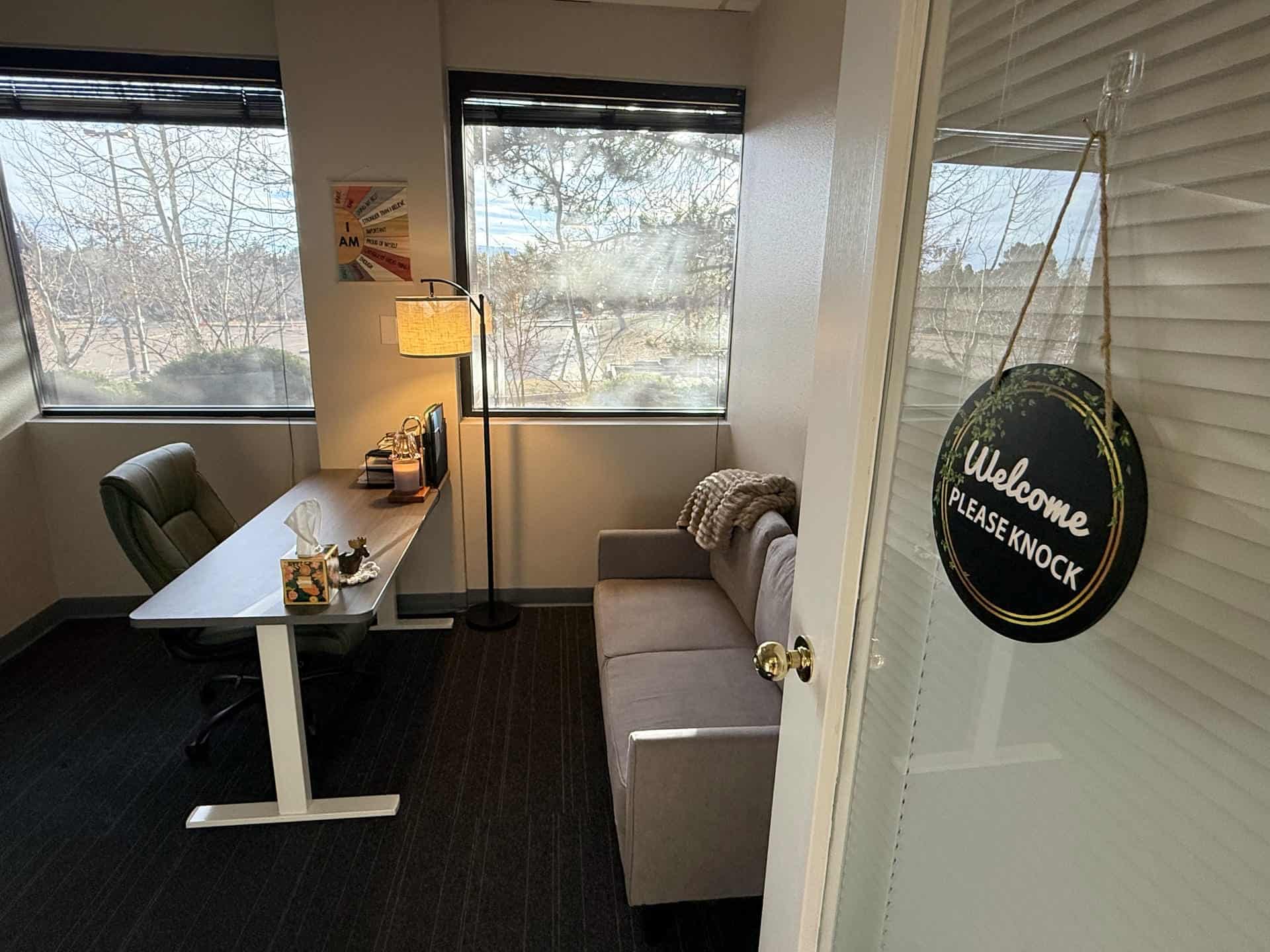
Drift Behavioral Health offers a calm and welcoming setting designed to reduce fear and uncertainty. Our licensed clinicians bring extensive experience in both substance use recovery and mental health services. Every recommendation reflects research-backed practice delivered with warmth and respect. Clients encounter a team that listens closely and responds thoughtfully to changing circumstances. Healing advances through collaboration rather than rigid protocols.
Rehab for heroin should feel grounded and personal rather than institutional. Drift provides flexible levels of care that adjust as stability increases. Coordinated schedules create accountability while still honoring each client’s pace. In addition, our integration of dual diagnosis services strengthens long-term recovery outcomes. Heroin addiction treatment becomes more effective when expertise and compassion are in balance.
Community connection further distinguishes the Drift approach. Group programming encourages shared insight and mutual encouragement among peers. Our clinicians coordinate with local providers when medication management or additional services become necessary. Addiction treatment for heroin works best within a network that values continuity and communication. Participants leave with practical tools and a renewed sense of direction.
Begin Heroin Addiction Treatment in Colorado Springs with Confidence
Opioid addiction can disrupt every aspect of life, yet recovery remains within reach. Drift Behavioral Health provides heroin addiction treatment in Colorado Springs grounded in expertise and compassion. Structured programs, medication-assisted strategies, and evidence-based therapies create a clear path toward stability. When readiness for change begins to surface, our team stands prepared to guide the next step. Reach out today and let us move forward together toward lasting recovery.
Frequently Asked Questions About Heroin Recovery
How long does heroin recovery take?
Recovery length varies depending on health history, severity of use, and co-occurring conditions. Partial hospitalization programs typically involve several weeks of formalized programming. Intensive outpatient programs may continue for a longer period with fewer hours per week. Progress depends on engagement, skill development, and stability in daily routines.
Does medication-assisted recovery replace therapy?
Medication-assisted approaches reduce cravings and withdrawal discomfort, yet therapy remains essential. Counseling addresses emotional triggers and behavioral patterns linked to heroin use. Combined methods often produce stronger and more sustainable outcomes. Our clinical team evaluates each case carefully before recommending medication options.
What happens after detox?
Detox stabilizes the body, although ongoing rehabilitation builds lasting change. After detox, clients often transition into PHP or IOP programming for continued structure. Therapeutic sessions focus on coping skills, relapse prevention, and mental health evaluation. Heroin addiction treatment in Colorado Springs emphasizes continuity beyond initial stabilization.
Can co-occurring mental health conditions be addressed at the same time?
Many individuals experience anxiety, depression, trauma, or mood disorders alongside opioid dependence. Dual diagnosis services allow clinicians to treat both concerns simultaneously. Integrated programming reduces relapse risk linked to untreated mental health symptoms. Comprehensive rehab for heroin should always assess for co-occurring conditions.
Is virtual programming effective for heroin recovery?
Virtual options increase accessibility while maintaining structured engagement. Licensed therapists conduct secure sessions that mirror in-person standards. Some people benefit from hybrid participation that blends onsite and telehealth services. Addiction treatment remains effective when accountability and consistency remain central.
Latest Resources

Does my teen have to admit they have a problem to get treatment? No. And that’s worth knowing, because waiting for that admission can mean waiting a long time. Denial

Research suggests telehealth IOP can produce outcomes comparable to in-person care for many people. Research comparing office-based and telehealth psychiatric IOP found comparable clinical outcomes and patient participation across both

Figuring out whether you can start Suboxone or Vivitrol without stopping first is the question that stalls people the longest, especially if you’re still using and assume no one will


Verify Your Insurance
Drift Website - Form - Verify Insurance
"*" indicates required fields