Individual and Group Therapy
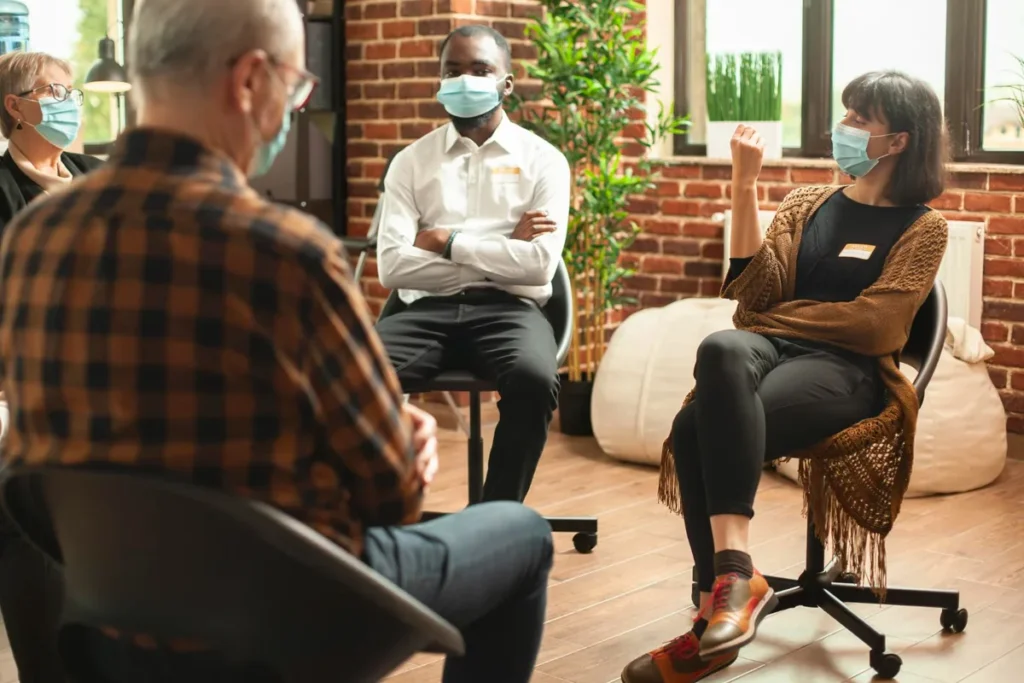
Individual sessions are where the long version of your story gets told. Your therapist wants to know what the substance was doing for you, because it was doing something, and what it has cost so far. Then the two of you get specific about risk: which friends, which paydays, which drive home. Group is the practice field.
In the CBT group you learn to catch the thought a few seconds before it turns into a stop at the liquor store. Psychoeducation groups explain what withdrawal and the first months of recovery do to your brain, which makes the sleeplessness and mood swings easier to tolerate. You still feel them. They just stop reading as proof the program isn’t working.
Medical and Psychiatric Oversight
A licensed psychiatric provider and medical staff manage your plan and adjust it as your body does. Medication management is available to anyone in PHP who needs it. It might mean help sleeping through the first 2 weeks. For someone else, it is an antidepressant alongside MAT once a co-occurring condition is diagnosed.
Sometimes it is an adjustment to a dose you have been on for years. Whatever you’re already prescribed, you keep taking it. Staff checks on withdrawal symptoms and side effects during program hours. If something comes up that an outpatient setting can’t handle, we arrange a higher level of care the same day.
Family Involvement and Support
Addiction wears down the ones closest to you, and PHP is where the repair starts. Family therapy happens only when you agree to it, at whatever pace you and your therapist decide. The sessions are practical. How to say the truth without it turning into a fight, and what boundaries each side can hold.
Workshops are separate, optional, and open to a partner or parent, and to adult children. They cover what a spouse or parent should do the night they notice the old signs coming back. Nobody expects trust back in week 1. Changed behavior earns it, and these sessions are where your family gets to say out loud when they see it.